November 27, 2026
Tattoos offer a unique way to express personal interests, commemorate meaningful experiences, and showcase artistic preferences. With styles ranging from bold traditional designs to delicate minimalist artwork, there are many approaches to consider when choosing body art. Understanding the defining features of each style can help individuals find inspiration and make informed decisions about their designs.
Exploring Traditional Tattoo Styles
History and Origins
Traditional tattooing, often called old school, developed into a recognizable American style during the early 20th century. Sailors and military personnel helped popularize these designs, which were influenced by maritime culture and earlier tattooing traditions. Artists such as Norman "Sailor Jerry" Collins helped establish the style's distinctive appearance and lasting influence.
Key Characteristics
Traditional designs feature bold black outlines, limited color palettes, and straightforward imagery. Red, green, yellow, and black are common colors, while recognizable subjects include nautical symbols, roses, and pin-up figures. Strong shapes and clear lines give this style its enduring visual appeal. These characteristics make traditional tattoos recognizable and appealing to individuals who appreciate classic artwork.
Popular Motifs
Anchors, eagles, hearts, daggers, and swallows are frequently associated with traditional tattooing. Anchors can represent stability, while swallows have historically symbolized freedom and a safe return home. These familiar images connect personal experiences with established artistic symbolism.
Influential Artists
Sailor Jerry helped shape American traditional tattooing, while artists such as Ed Hardy and Mike Malone continued developing its techniques and imagery. Their contributions introduced the style to wider audiences and influenced generations of tattoo artists.
Exploring Neo-Traditional Tattoo Styles
History and Origins
Neo-traditional tattooing developed from traditional methods during the late 20th century. It retains bold outlines and recognizable imagery while incorporating influences from art nouveau, Victorian illustration, and other artistic movements. The result combines familiar foundations with greater detail and creative flexibility.
Key Characteristics
This style uses expanded color palettes, detailed shading, and elaborate compositions. Pastels may appear alongside traditional colors, while layered textures and gradients create depth. Artists also experiment with intricate line work to produce visually complex designs, giving neo-traditional tattoos a distinctive appearance.
Popular Motifs
Animals, portraits, mythical creatures, and ornamental elements are common subjects. Animals may feature expressive details, while portraits can incorporate decorative backgrounds or imaginative embellishments. These compositions allow individuals to explore personal themes through distinctive artwork.
Influential Artists
Artists such as Valerie Vargas, Gunnar, and Russ Abbott have contributed to neo-traditional tattooing. Their work demonstrates how established techniques can be adapted into imaginative designs without losing the recognizable qualities of the original style.
Exploring Realism Tattoo Styles
History and Origins
Realism tattooing draws inspiration from realistic drawing and painting. Its primary goal is to reproduce subjects with lifelike accuracy through careful attention to proportion, texture, light, and shadow. The approach transforms photographs and other visual references into detailed artwork on the skin.
Key Characteristics
Extensive shading, smooth color transitions, and precise details define realism. Artists carefully consider contrast and composition to create depth. Because small inconsistencies can affect the finished image, planning and technical control are important. These techniques help create realistic tattoos that capture subtle details.
Popular Motifs
Portraits of people and animals are popular choices, along with landscapes, mechanical objects, and recognizable film scenes. These subjects can commemorate meaningful relationships, personal interests, or significant experiences. Each composition relies on accurate details to communicate its intended subject.
Influential Artists
Nikko Hurtado and Steve Butcher are widely recognized for their contributions to realism tattooing. Their detailed portraits and innovative approaches have influenced artists interested in lifelike imagery. Their work demonstrates the possibilities of combining technical precision with creative interpretation.
Exploring Watercolor Tattoo Styles
History and Origins
Watercolor tattooing emerged as a contemporary style inspired by watercolor paintings. Rather than relying on conventional outlines, these designs use flowing colors, soft transitions, and painterly effects. The style offers a different approach to body art by emphasizing movement and color.
Key Characteristics
Layered pigments, blended shades, and splash-like details create the signature watercolor appearance. Artists must balance these effects with thoughtful placement and application. Understanding how colors interact with skin is important when developing compositions with subtle transitions.
Popular Motifs
Floral arrangements, abstract shapes, and dreamlike imagery frequently appear in watercolor designs. Some compositions combine recognizable subjects with loose brushstroke effects, while others use simple color patterns to create visual interest. Watercolor tattoos appeal to those who prefer softer colors and artistic compositions.
Influential Artists
Artists such as Ondrash and Jenna Kerr have brought attention to watercolor tattooing through innovative color techniques and artistic compositions. Their work illustrates how fine art influences translate into distinctive designs on the skin.
Exploring Japanese Tattoo Styles
History and Origins
Japanese tattooing, commonly known as Irezumi, has a long cultural history. Its development includes spiritual symbolism, traditional storytelling, and elaborate decorative techniques. During the Edo period, large-scale compositions became particularly recognizable, establishing many of the visual conventions associated with the style today.
Key Characteristics
Japanese designs often incorporate detailed backgrounds, flowing movement, and interconnected imagery. Traditional subjects may extend across large areas of the body, creating cohesive compositions rather than isolated pictures. Hand-poking techniques, known as Tebori, are part of the style's history, although many contemporary artists use tattoo machines.
Popular Motifs
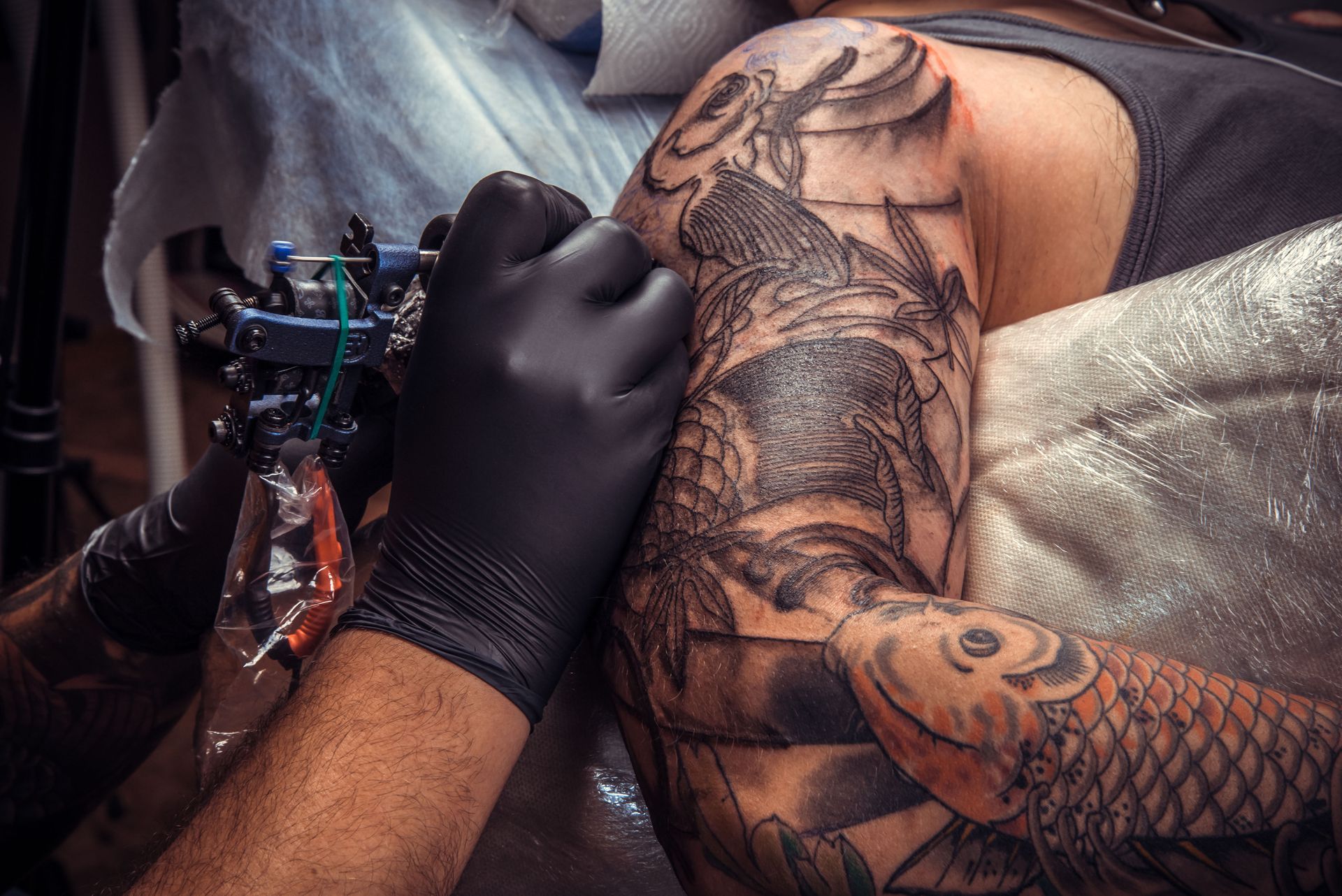
Koi fish, dragons, samurai, and cherry blossoms are recognizable subjects. Dragons commonly represent strength and courage, while koi are associated with perseverance. Cherry blossoms reflect the temporary nature of life, adding meaning to these compositions. These symbols help make Japanese tattoos recognizable for their cultural depth.
Influential Artists
Yoshihito Nakano, known as Horitaka, and Horiyoshi III have helped preserve and advance Japanese tattooing traditions. Their contributions demonstrate the importance of cultural knowledge, technical discipline, and artistic continuity.
Exploring Minimalist Tattoo Styles
History and Origins
Minimalist tattooing reflects the broader artistic philosophy of simplicity and restraint. Its popularity has grown alongside modern design trends and social media exposure. Rather than relying on elaborate compositions, this approach communicates ideas through a few carefully selected elements.
Key Characteristics
Fine lines, geometric shapes, subtle details, and negative space are central to minimalist designs. Common subjects include small animals, abstract symbols, simple illustrations, and lettering. Although these pieces may appear understated, their execution requires attention to proportion and placement.
Popular Motifs
Small floral designs, celestial symbols, single-line illustrations, and meaningful dates are popular choices. Their simplicity can make them visually appealing while allowing the subject to carry personal significance. Fine-line work may require particular consideration of placement and long-term changes in the skin.
Modern Reception
Minimalist tattooing appeals to individuals who prefer subtle artwork over large compositions. Supporters appreciate its clean appearance and thoughtful use of space, while critics sometimes view the style as overly simple. Ultimately, its appeal depends on personal taste and the meaning behind the design. Minimalist tattoos provide another option for those who value understated artistic expression.
Choosing a Tattoo Style That Reflects Personal Expression
Each tattoo style offers a different combination of history, technique, and artistic expression. Traditional designs emphasize bold imagery, neo-traditional pieces introduce additional detail, and realism focuses on lifelike representation. Watercolor compositions highlight fluid color, Japanese tattooing draws from cultural symbolism, and minimalist designs communicate ideas through simplicity.
Before selecting a design, individuals should consider the subject, preferred artistic approach, placement, and long-term appearance they want. Reviewing an artist's portfolio can help determine whether their techniques and visual style align with the intended design. A consultation also provides an opportunity to discuss ideas and understand the process.
According to Pew Research Center, 6% of untattooed Americans say they are extremely or very likely to get a tattoo, reflecting continued interest in body art. For those considering a new design, 1st Revelation Tattoo offers an opportunity to explore creative possibilities and discuss personal preferences with an artist. Taking time to understand different styles can help individuals choose artwork that reflects their personality and interests.