October 27, 2026
Body piercings have served as forms of self-expression, cultural identity, and personal adornment for thousands of years. Understanding their history, styles, and care requirements helps individuals make informed decisions about body art. From traditional practices to modern fashion trends, piercings continue to evolve across cultures.
Exploring Ancient Traditions and Practices
Archaeological evidence shows that ancient Egyptians, Mayans, and other civilizations practiced body piercing for religious, social, and aesthetic reasons. Earrings and other body jewelry sometimes indicated social status, marked important life events, or represented spiritual beliefs. In certain communities, piercings were connected to rites of passage and cultural traditions.
These practices developed differently across regions. Nose piercings became an important part of cultural identity in India, while various African communities incorporated lip and ear piercings into traditional expressions of beauty and status. Despite changing social attitudes, piercings have maintained their cultural significance.
Recognizing Modern Piercing Trends
During the 20th century, body piercings became increasingly associated with artistic expression and nonconformity. Punk movements in the 1970s and 1980s helped popularize unconventional styles, while the internet later made it easier to discover techniques and jewelry worldwide.
The industry has continued to expand alongside interest in personalized body art. According to Market Report Analytics, the global body piercing service market was estimated at $1.5 billion in 2024, projected to grow at a CAGR of 5% to reach $2 billion by 2029. This growth reflects the continuing appeal of piercings and individual style, encouraging more people to explore professional piercing services.
Exploring Different Types and Styles of Piercings
Choosing Common Piercing Locations
Earlobe and nostril piercings remain popular choices for people exploring body jewelry. Earlobe piercings accommodate everything from small studs to decorative hoops, while nostril piercings offer different styles and visibility levels. Professional piercing services can help clients determine which placements suit their anatomy and preferences.
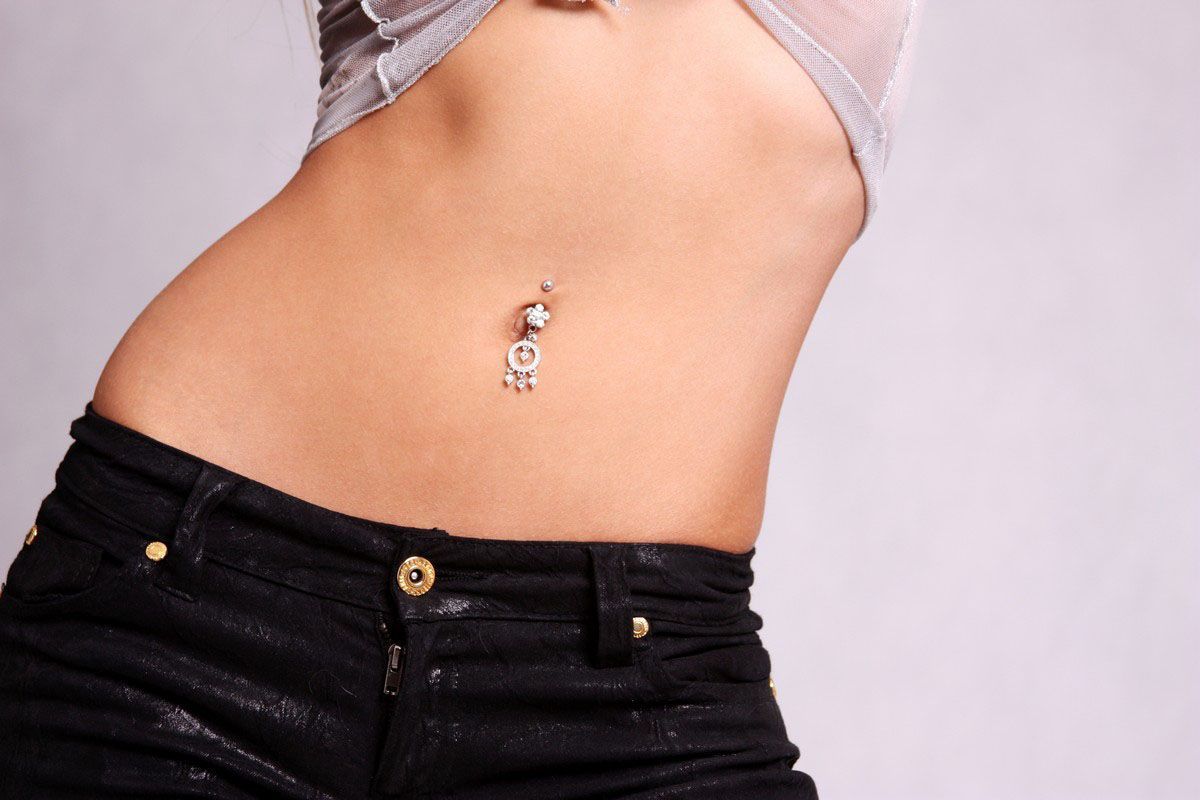
Eyebrow, navel, tongue, and lip piercings provide additional ways to express personal style. However, each placement comes with different healing requirements and potential complications. Oral piercings require particular attention because jewelry can interact with teeth, gums, eating, and speaking.
Cartilage piercings, including tragus, rook, and daith placements, appeal to people seeking distinctive arrangements. Because cartilage heals more slowly than soft tissue, these piercings require patience and consistent aftercare. A professional assessment can help determine whether a placement suits an individual's anatomy.
Discovering Popular Jewelry Styles
Ear stacking has become a popular approach to creating coordinated looks with multiple piercings. Combining small studs, hoops, and decorative pieces allows wearers to develop a personalized appearance. Minimalist jewelry offers another option, complementing different outfits and settings.
Industrial piercings connect two openings in the ear cartilage with a single barbell. This placement depends on suitable anatomy and can require an extended healing period. Others prefer discreet jewelry or unconventional placements that offer a distinctive expression of personality.
When evaluating piercing services, consider how a chosen style fits everyday activities, professional expectations, and long-term preferences. A design should be practical to maintain during healing and comfortable for regular wear.
Selecting Suitable Jewelry Materials
Jewelry material affects comfort, durability, and irritation risks. Implant-grade titanium is often recommended for new piercings because it is lightweight and suitable for many people with metal sensitivities. Certain implant-grade stainless steels and appropriately specified solid gold may also be suitable.
Lower-quality alloys containing nickel can trigger allergic reactions. Jewelry should have an appropriate size, shape, and finish for the piercing location. A qualified piercer can recommend options that accommodate initial swelling and explain when it is safe to change jewelry. Reputable piercing services prioritize suitable materials to support comfort and healing.
Considering Age and Individual Preferences
Age requirements vary by location and studio policy. Minors may need parental consent or a parent or legal guardian present, depending on local regulations. Checking these requirements before scheduling an appointment helps prevent misunderstandings.
Body piercings are not limited to any particular gender or age group. Personal preferences, cultural traditions, and workplace expectations may influence jewelry choices. Important considerations include individual comfort, informed consent, and the ability to maintain the piercing properly.
Preparing for a Safe and Professional Piercing
Choosing an Experienced Piercer
Selecting a qualified professional is one of the most important steps in the piercing process. Clients should look for a clean studio, clear communication, relevant experience, and a willingness to explain procedures and risks. Reviews can provide useful background, but observing studio practices and asking questions are equally important.
Professional piercing services should include discussions about placement, jewelry selection, healing expectations, and aftercare. A reputable piercer will consider the client's anatomy and explain when a requested placement may be unsuitable.
Understanding the Piercing Procedure
The process typically begins with cleaning the area and marking the intended placement. After confirming the position, the piercer uses a sterile, single-use needle to create the opening and insert appropriate jewelry. Needles are generally preferred over piercing guns, particularly for cartilage, because guns can cause additional tissue trauma and may be difficult to sterilize appropriately.
Clients can expect a brief sharp sensation, although discomfort varies by location and individual pain tolerance. Mild swelling, tenderness, and limited bleeding may occur afterward. Before the procedure, clients should disclose relevant allergies, medications, and other factors that could affect healing.
Evaluating Equipment and Hygiene Standards
Proper sanitation is essential for reducing infection risks. Professional studios should use sterile, single-use needles, appropriately sterilized reusable instruments, and suitable initial jewelry. Autoclaves are commonly used to sterilize reusable equipment, while clean work surfaces and proper hand hygiene help prevent contamination.
Piercers should wear fresh gloves, prepare the skin appropriately, and handle sterile equipment safely. Clients can ask about sterilization procedures and observe whether supplies are opened properly. Studios that cannot explain their hygiene practices may not be suitable choices.
Careful preparation is especially important for cartilage and oral piercings, where complications can have lasting effects. Choosing a professional who follows established safety practices supports a better healing experience.
Maintaining Healthy Piercings During Healing
Following Consistent Aftercare Practices
Aftercare plays a major role in the success of a new piercing. Clients should follow their piercer's instructions, wash their hands before touching the area, and clean the piercing with sterile saline wound wash when recommended. Twisting or rotating jewelry unnecessarily can irritate healing tissue.
Harsh cleaning products, including rubbing alcohol and hydrogen peroxide, can damage healing tissue. Swimming may increase exposure to microorganisms during early healing. Avoiding unnecessary pressure, friction, and contact with unclean surfaces can further reduce complications.
Healing times vary by placement. Earlobe piercings may heal within a few months, while cartilage piercings can take many months or longer. Jewelry should not be removed or changed prematurely. If a different piece is needed during healing, a qualified piercer can advise on appropriate timing. Reliable piercing services also provide guidance on jewelry maintenance and healing concerns.
Identifying Possible Complications
Some tenderness and mild swelling are expected shortly after a piercing, but worsening pain, increasing redness, unusual warmth, or thick discharge may indicate a problem. Fever or spreading redness warrants prompt medical evaluation. If an infection is suspected, seek medical advice rather than relying on home remedies.
Raised scars and allergic reactions can also develop. People with a history of keloids or metal sensitivities should discuss those concerns before getting pierced. Oral piercings deserve particular attention because jewelry can damage teeth and gums, making regular dental care important.
Making an Informed Decision About Body Piercings
Balancing Personal Style and Long-Term Care
Body piercings provide opportunities for self-expression, but each choice involves practical considerations. Placement, jewelry material, healing time, and daily habits can affect the experience. Researching options and consulting an experienced professional helps individuals select a piercing that matches their preferences while supporting their health.
Before scheduling an appointment, consider whether the placement suits your anatomy, whether your lifestyle allows for proper aftercare, and whether you are prepared to wait for complete healing. Comparing professional piercing services and asking about hygiene standards, jewelry options, and aftercare policies can help you make an informed choice.
For anyone exploring new body art, 1st Revelation Tattoo can be a starting point for discussing piercing options, placement considerations, and professional care. Ask questions, understand the healing process, and choose a style that reflects your individuality while prioritizing safety.